
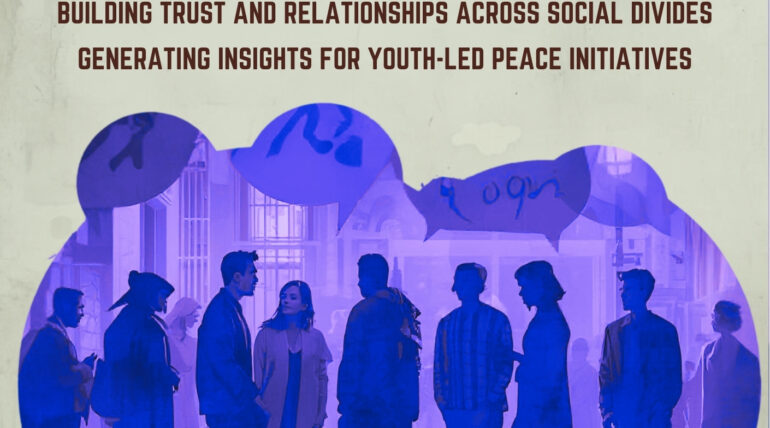
There is a particular kind of courage in choosing to sit across from someone you have been taught to distrust. Not because you have forgotten what you have been through, but because you are willing to imagine, together, that things could be different.
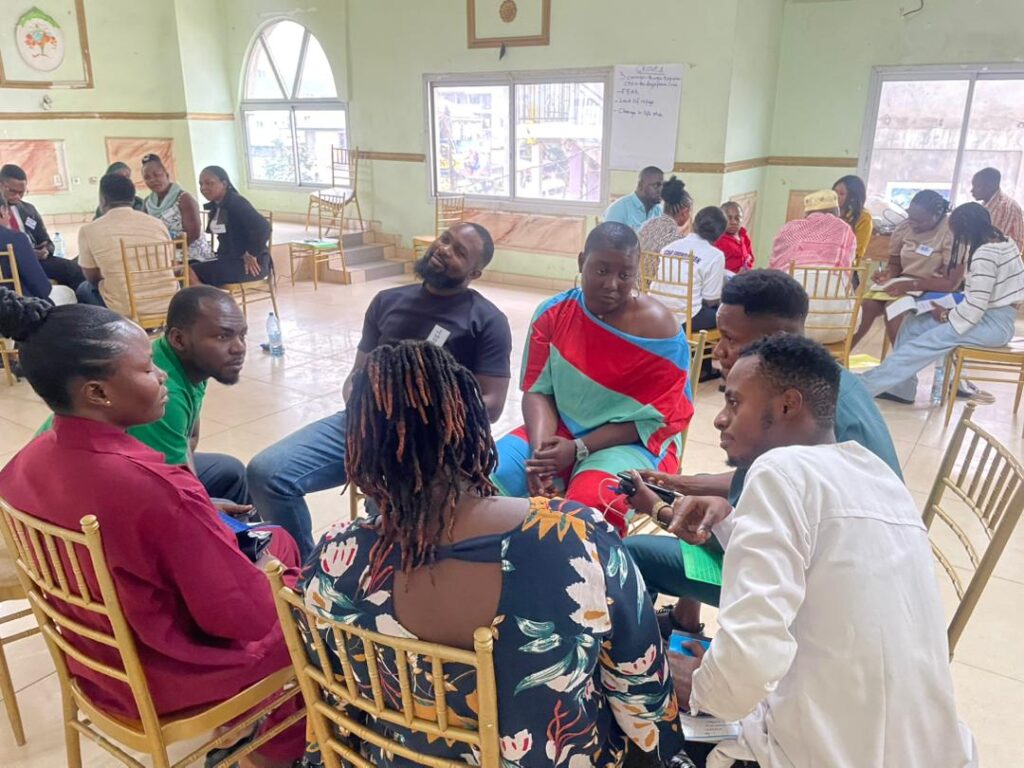
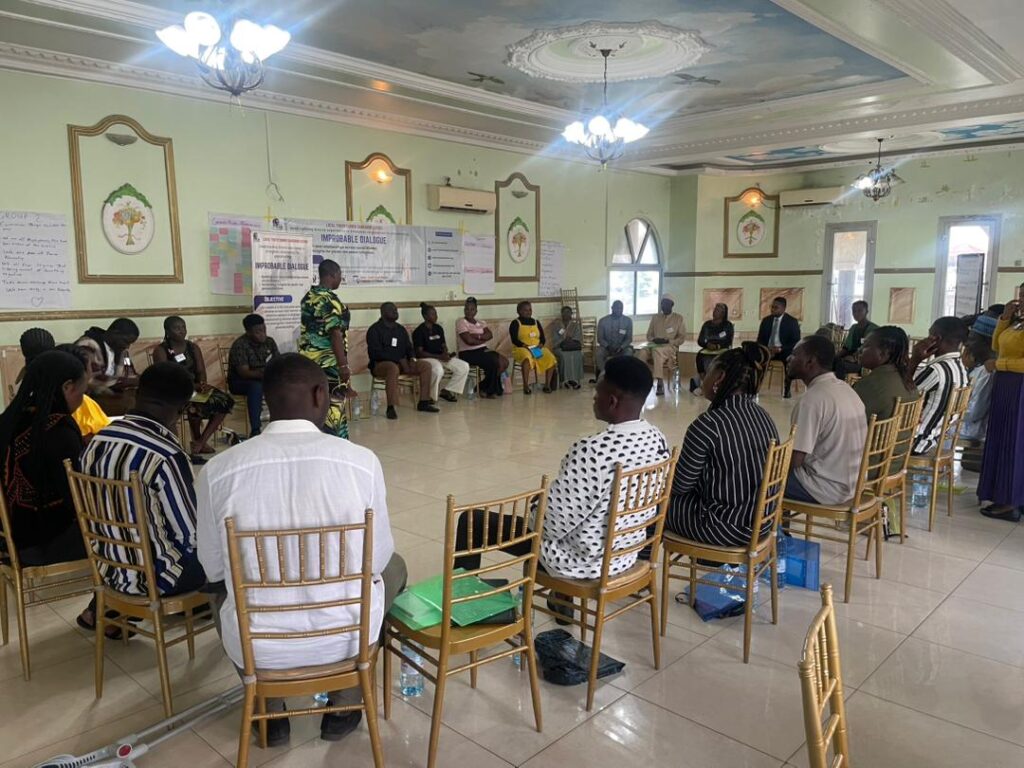
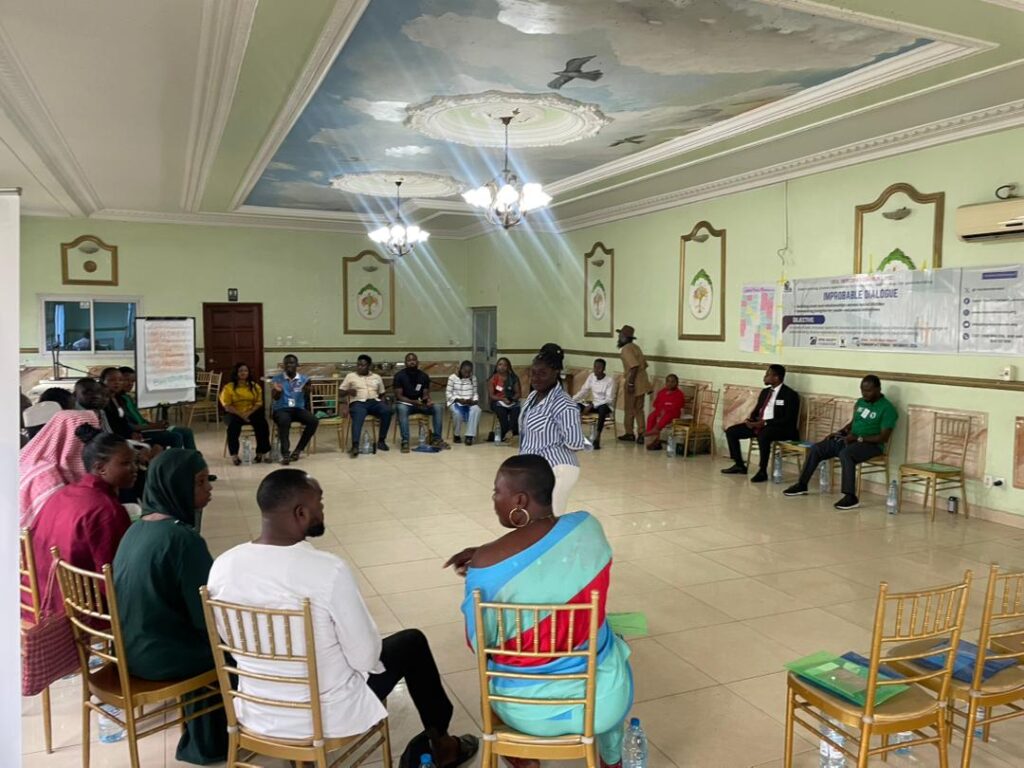
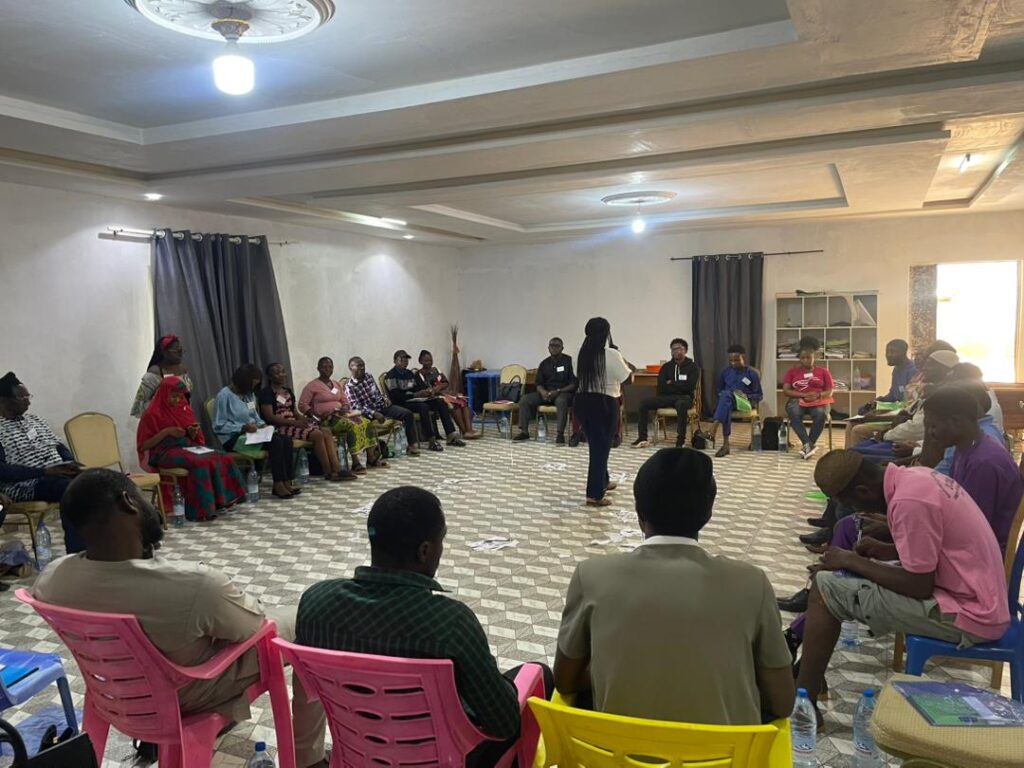
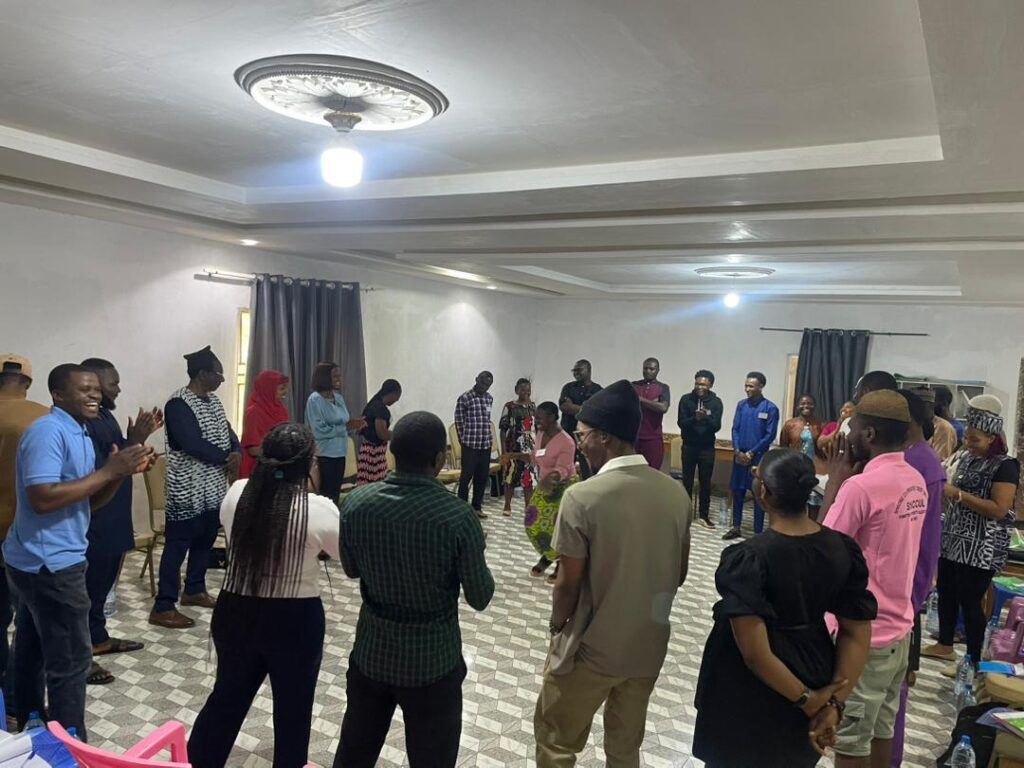
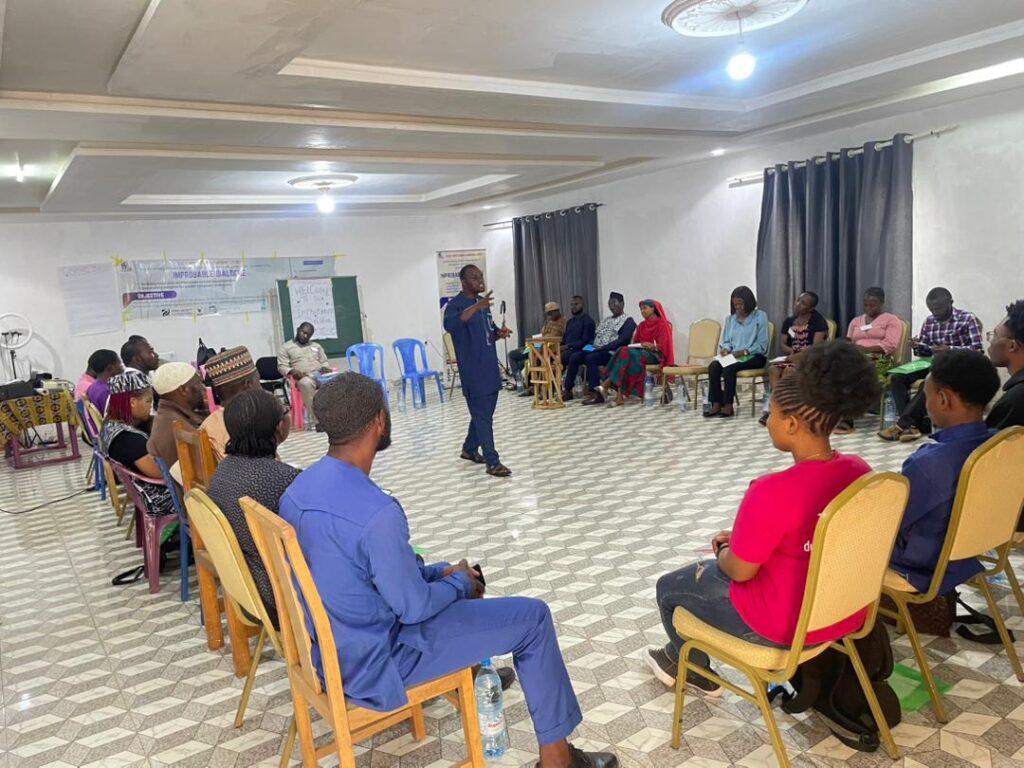
That courage showed up twice in early 2026: first in Buea on the 6th and 7th of February, then in Bamenda the following week. These were not conferences. They were not debates. They were what LOYOC calls Improbable Dialogues: gatherings of people from different worlds, backgrounds, and experiences, who agreed to share the same room and listen to one another, without judgment and without agenda.
What Made These Dialogues “Improbable”
The Northwest and Southwest regions of Cameroon have, for several years now, carried an enormous weight: one borne by ordinary people going about their lives in the shadow of a conflict they did not start, and which has taken far more than it was ever asked to give.
Families displaced. Schools shuttered. Livelihoods lost. Trust, perhaps the hardest thing to rebuild, fractured along lines of geography, generation, sector, and silence.
Against this backdrop, 66 participants gathered across the two dialogue sessions. They came from both regions. They included young people who had been displaced, women leaders who had held communities together in quiet, uncelebrated ways, transport workers, teachers, faith leaders, traditional authorities, civil society actors, and community mediators. Many had never sat in the same room before. Some had every reason not to. And yet, they came.
What Happened When They Did
The first dialogue, held in Buea, was described as a space where they could speak without fear of being misread, where stories did not need to be filtered or softened to protect the teller. Survivors of shutdowns, displacement, and uncertainty shared what they had lived through. Not as testimony. Not as an accusation. Simply as truth. What followed was less a debate and more a recognition: that suffering had not respected any side of any line. That loss had been shared, even when it had not been acknowledged.
In Bamenda, the second dialogue went further. Youth participants, many of them young people who have grown up knowing the conflict as a fact of life rather than a memory, raised their voices on something that does not always find its way into formal peace conversations: the gap between their generation and the elders who make decisions about their futures. Elders, for their part, acknowledged it. That acknowledgement, however small it may seem from the outside, is not nothing. In communities where hierarchy and silence have often stood in for dialogue, it is a beginning.
What Participants Said They Would Do
Dialogue that ends at the door of the venue is not dialogue; it is a performance. LOYOC’s approach has always been built on the understanding that conversations only matter if they change something, however gradually.
From these two sessions, participants left with concrete commitments. They agreed to respond to community tensions through trusted local mediators before reaching for other means. They agreed to refuse the normalisation of retaliation. They named early warning, shared communication, and nonviolent response as principles worth upholding, not in theory, but in the specific communities they return to.
A joint intergenerational mechanism was also proposed: a way for younger and older community members to address disputes together, before those disputes harden into something harder to undo.
And symbolically, though symbolism in fragile contexts is never merely symbolic, participants jointly rejected hate narratives and the violence that rumours seed, and affirmed dialogue as the first response to tension.
What This Means, and What It Does Not
It would be dishonest to claim that two dialogue sessions, however powerful, have resolved anything structural. The conditions that gave rise to the crisis in the Northwest and Southwest are deep-rooted, and they will require sustained political will, inclusive governance, and meaningful engagement at levels far beyond what a community dialogue can reach.
But sustainable peace does not begin at the top. It is built, piece by piece, in the spaces where people choose to treat each other as human beings first, even when history and fear have taught them otherwise.
What happened in Buea and Bamenda was not a solution. It was a restoration, partial but real, of the social fabric that conflict tears apart. It was proof that people who carry grief and distrust can still find common ground, not by erasing their differences, but by deciding those differences do not have to be the last word.
A Note on Process
These dialogues were made possible through LOYOC’s AMPLIFY project, supported by the Open Society Foundations. They were built on the methodology documented in LOYOC’s Organising Improbable Dialogue: A Field Guide, developed through four years of piloting and learning alongside young people in the Northwest and Southwest regions.
Looking Ahead
LOYOC will continue to hold improbable dialogues throughout 2026, reaching more communities and more of the people who have been left out of formal processes.
If you are a community leader, a civil society organization, a faith institution, or a young person who believes that the people around you deserve a space to speak and be heard: this work is also yours.
Peace is not announced. It is practiced, one conversation at a time.